Mandala Earring Graphics Freebies
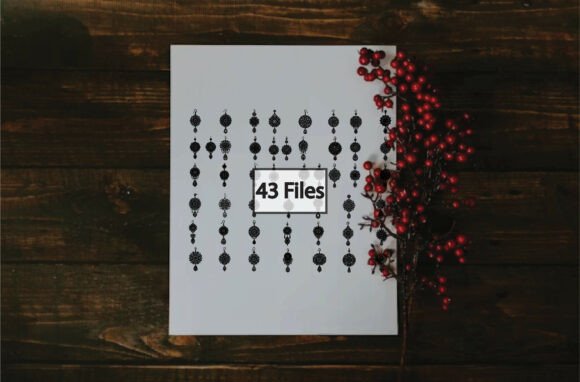
As a graphic designer working on real client projects, I always look for design assets that can elevate a visual concept without overpowering it. The Mandala Earring digital product caught my attention with its intricate patterns and versatile applications. This bundle of 43 high-quality mandala earring and dreamcatcher silhouette designs offers a unique opportunity to enhance creative design work across multiple platforms.
First Impressions and Visual Mood
The Mandala Earring instantly creates a sense of calm and artistic sophistication. Its delicate lines and symmetrical shapes evoke a meditative vibe, making it ideal for brands focused on wellness, spirituality, or handmade crafts. The designs feel timeless yet modern, blending traditional motifs with contemporary aesthetics. This makes them suitable for a wide range of client projects, from boutique product lines to seasonal campaigns.
For a small business owner launching an Etsy shop centered around mindfulness products, the Mandala Earring could serve as a signature element in branding, packaging, and social media graphics. Its visual appeal adds a layer of elegance without being overwhelming, which is crucial for maintaining brand consistency.
Real-World Design Applications
When considering how Mandala Earring performs in real design situations, it’s clear that this graphic design asset excels in areas where decorative elements are needed. Whether used in logo design, product labels, or packaging design, the intricate details add depth and character. For a handmade brand, these designs can be incorporated into t-shirt design, tote bags, or mugs to create visually engaging merchandise.
In editorial design, the Mandala Earring could act as a striking background or border for articles about art, culture, or lifestyle. As part of a Canva template, it provides a professional touch that elevates the overall look of marketing visuals or blog posts. For a Cricut project, the SVG design allows for precise cutting, making it perfect for sticker design or printable wall art.
Best Use Cases for Mandala Earring
This design bundle shines in large layout areas, such as hero graphics or product mockups. It works well as a decorative accent in themed collections, adding visual interest without distracting from the main message. For a seasonal campaign, the Mandala Earring can be used in social media posts, Pinterest pins, or Instagram stories to create a cohesive visual theme.
It also serves as a great supporting brand element in packaging design or website graphics. When placed on real mockups, the intricate details come to life, offering a tactile and visual experience that resonates with target audiences. As a printable design, it’s perfect for downloadable content, allowing users to customize their own creative projects.
Caution Areas for Mandala Earring
While the Mandala Earring is visually appealing, it may not be the best choice for every project. In small sizes or crowded layouts, the details can become lost or cluttered, reducing its effectiveness. On complex backgrounds or low-contrast designs, the silhouette may not stand out as intended.
For minimalist branding or professional corporate materials, the intricate nature of these designs might clash with the desired simplicity. If the goal is to maintain a clean visual hierarchy, alternatives with bolder shapes or simpler lines may be more appropriate. Additionally, clients looking for a very modern design aesthetic may find the Mandala Earring too ornate for their needs.
Impact on Readability and Brand Consistency
When used appropriately, the Mandala Earring enhances emotional appeal and audience engagement. Its intricate patterns can evoke feelings of peace and creativity, aligning with the values of many small businesses or handmade brands. However, it's important to ensure that the design doesn't interfere with readability or brand messaging.
For a print-on-demand seller, the Mandala Earring could be a valuable addition to their design library, providing a unique visual identity that sets their products apart. As part of a commercial design, it contributes to a polished and professional impression, reinforcing trust and recognition among customers.
Practical Designer Notes
Before using Mandala Earring for a client project, I recommend testing it in black and white to assess its impact without color. Checking contrast on light and dark backgrounds ensures that the design remains visible and effective in different contexts. Previewing it at various sizes helps determine its versatility across different mediums.
Placing it on real mockups, such as product samples or website banners, gives a better sense of how it will look in practice. Testing print quality is essential, especially if the design will be used for physical products like t-shirts or mugs. Reviewing file formats, including PNG and SVG, confirms compatibility with different design software and production methods.
Inspecting PNG transparency, if included, ensures that the design integrates smoothly with other elements. Checking the editability of SVG files is important for customizing the design as needed. Comparing the Mandala Earring with different font styles—serif, sans serif, script, or display—helps find the right balance between text and imagery.
Finally, confirming commercial licensing before use is crucial, especially when working on a client’s business project. Ensuring that the design asset is properly licensed prevents legal issues and protects both the designer and the client.
Conclusion: A Versatile Creative Asset
The Mandala Earring is a powerful tool for designers looking to add visual interest and cultural flair to their work. Its intricate designs offer endless possibilities for creative design, from branding to merchandise. When used thoughtfully, it can enhance the mood and professionalism of a project, making it a valuable addition to any design bundle.
Whether you're working on a handmade business, a small business branding project, or a digital product launch, the Mandala Earring provides a unique and elegant option for visual storytelling. By understanding its strengths and limitations, designers can make informed decisions that benefit both their creative process and their clients’ goals.